
What Makes a Building Earthquake-Safe? Key Concepts to Know
Turkey lies on one of the most active earthquake belts in the world. This reality makes "earthquake safety" the most fundamental quality a structure must have. So what determines an earthquake-safe building?
Ground survey
Every solid structure starts with solid ground. A pre-construction ground survey determines the soil's bearing capacity and how it will behave during an earthquake. Foundation design is shaped by this survey.
Compliance with current regulations
The Turkish Building Earthquake Code (TBDY), effective from 2018, has raised the seismic performance of structures to far higher standards. For new buildings, compliance with this code is a basic condition of safety.
Structural system design
The load-bearing system of columns, beams, shear walls and slabs must safely transfer earthquake loads to the ground. Irregular structural systems and design flaws such as a "soft storey" increase earthquake risk.
Material quality and workmanship
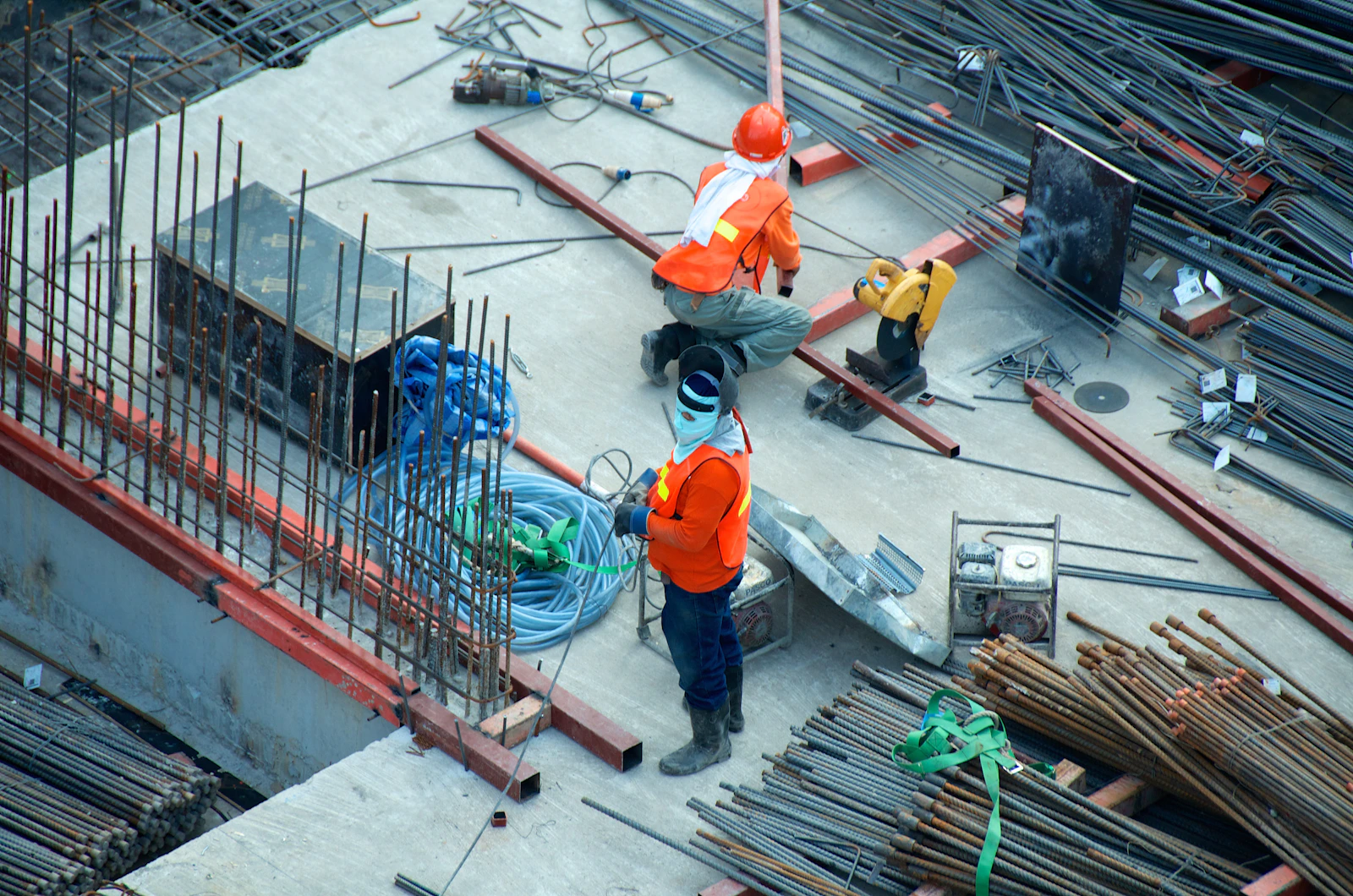
The correct concrete class, adequate and properly placed reinforcement, and quality workmanship ensure that the safety calculated in the project is achieved on site. Even the best design loses its safety with poor workmanship.
Construction supervision
Independent building inspection bodies audit every stage of construction for compliance with the project. This supervision is an important assurance for the buyer.
At Hiva Yapı, we treat earthquake safety as the top design criterion in all our projects — from ground surveys to material selection.
Hiva Yapı About
Hiva Yapı is a construction company in Turkey serving residential, commercial, and industrial projects with a reliable, high-quality, and on-time delivery approach.